|

|

|
|
15 Updates from Google I/O 2026 — Google’s I/O conference began yesterday, with the keynote focusing on “the era of the agentic web”. This post runs through the notable announcements for developers, including the proposed WebMCP standard, automated debugging in DevTools, the HTML-in-Canvas API, the introduction of a Baseline Checker tool, and using AI skills directly in Chrome. Tabriz, Kinlan, Gvak, Lee (Chrome for Developers) |
💡 Vittorio Retrivi takes an enthusiastic, closer look at the proposed HTML-in-Canvas API: "I have to say, I’m pretty excited about it". This post explores how it works, and what it enables by way of a few practical demos. |
|
🤖 Build with Modern Web Guidance — Also announced at I/O is this new set of “evergreen and expert-vetted” AI skills. It works with a slew of popular coding agents and can assist with best practices and patterns across UX, performance, accessibility, layouts, and more. Repo here. Chrome for Developers |

Your React App Can Run Natively on iOS and Android — Expo is the framework the React Native team recommends. It gives you file-based routing, API routes, SSR, and static rendering across web, iOS, and Android. Same React patterns you write today, with native performance on every platform. Expo sponsor |
|
Moving Away from Tailwind, and Learning to Structure My CSS — Some eight years after picking up Tailwind, Julia shares how she has migrated two of her sites back to semantic HTML and vanilla CSS — noting what she learned about structuring CSS along the way. Julia Evans |
|
Firefox 151 Release Notes for Developers — This version shipped yesterday — it finally brings desktop support for the Document Picture-in-Picture API, along with the Mozilla |
|
|
📙 News, Opinions & Tutorials |
|
|
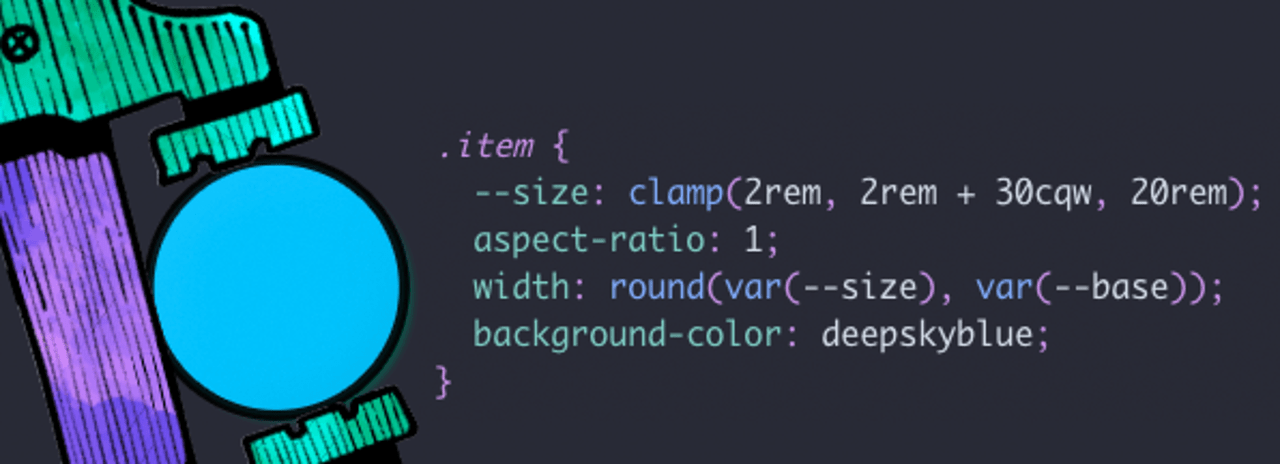
Better Fluid Sizing with Ahmad Shadeed |
|
600+ Million People Write Right-to-Left: Two Fixes Your App Needs — An evergreen reminder that hundreds of millions of people write right-to-left, and yet many dev tools treat this as an afterthought. This post looks at how in most instances the fix is simple enough: just two HTML attributes. Nina Torgunakova |
|
Stale Data Makes Your Fastest Components Feel Slow — TimescaleDB extends Postgres so dashboards query live data at scale. No pipeline, no stale reads. $1000 credit to start. Tiger Data (creators of TimescaleDB) sponsor |
|
Gap Decorations: Now Available in Chromium — Imminent versions of both Chrome and Edge will support CSS gap decorations — a nice way to easily style the gaps found between grid, flexbox and multi-column layouts, without the need for pseudo-elements or borders. Contreras & Omekara (Chrome for Developers) |
|
Seven Ways of Specifying Per-Theme Colours in Only CSS — A handful of CSS-only approaches to per-theme colours, with auto, light, and dark all handled — including palette variables. A solid practical reference if you're rebuilding a theming system. Chris Morgan |
|
Cross-Document View Transitions: The Gotchas Nobody Mentions — A technical look at some of the pitfalls to be aware of when setting up native view transitions (including changes to implementation), along with practical steps needed to overcome them. Durgesh Rajubhai Pawar |
|
The Boring Internet — “The internet you grew up on isn’t dying. A commercial veneer glued on top of it is”. Terry Godier |
|
Creating 'Repeating Square Dots' Backgrounds in CSS
|
|
When to Use and Not Use CSS Shorthand Properties
|
|
The Problem with HTML 'reset' Buttons
|
|
🧰 Tools, Code & Resources |
|
|
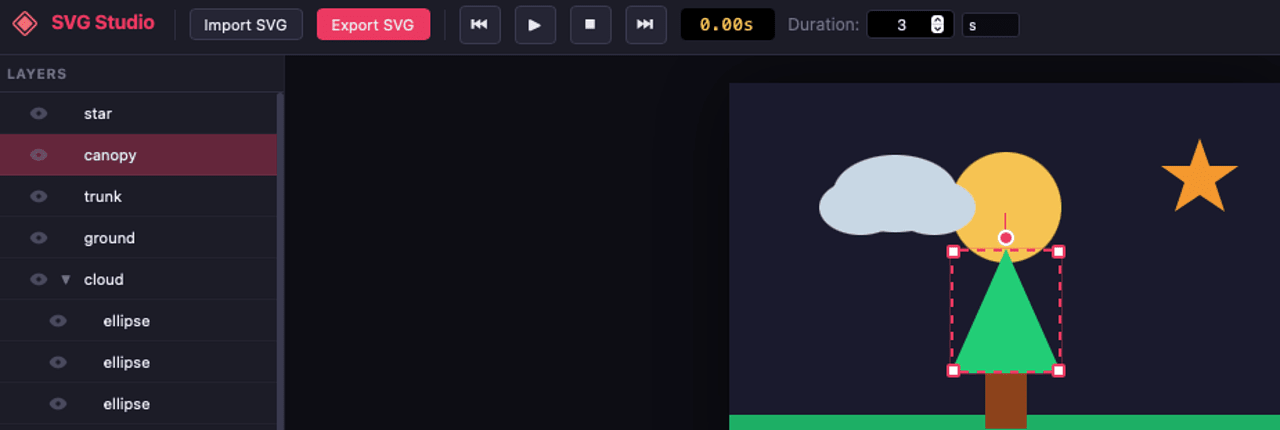
SVG Studio: A Browser-Based Animation Tool — Offers an easy-to-use layer-based experience with a keyframe timeline, animatable properties, easing functions, loop control, undo/redo, among other features. Helpfully, there’s a demo file you can mess around with when you launch the app. SVG Studio |
|
Swup: A Flexible Page Transition Library for Server-Side Rendered Sites — We last featured this back in 2023, and it’s still seeing regular updates. It’s a versatile library that adds snappy page transitions to server-rendered websites. It’s worth checking out the demos here. Georgy Marchuk |
|
Add User-Scoped API Keys to Your App with Clerk — Users generate credentials that delegate access to your API. Manage via the Backend SDK or Clerk Dashboard. Free tier included. Clerk sponsor |
|
Critical 8.0: Extracts & Inlines Critical Path CSS from HTML — A popular, production-ready library for extracting and inlining above-the-fold CSS into HTML. Version 8.0 arrived just a few days ago. Addy Osmani |
|
phantom-ui: A Web Component That Provides a Structure-Aware Skeleton Loader — Compatible with any framework and works by measuring the DOM at runtime. Try out the demo page where you can customize the colors and settings like shimmer, stagger, etc. Frank Aejkatappaja |
|
Qite.js: A Frontend Framework for People Who 'Hate React and Love HTML' — Think htmx or similar with declarative HTML. This solution boasts no build step, no virtual DOM, SSR-first, and can be incorporated with native web APIs. Source code. Qite.js |
|
🖼️ Pica 10.0: High Quality Image Resizing in the Browser — High quality in-browser image resizing that leans on WASM and Web Workers or falls back to pure JS as necessary. GitHub repo. Vitaly Puzrin |
|
cssdb: A Database of CSS Feature Progress — A comprehensive list of CSS features and their web standards implementation status.
|
|
hihtml: A Supertool for HTML Validation, Link-Checking, and Minification
|
|
🗺️ ...and finally |
|
|
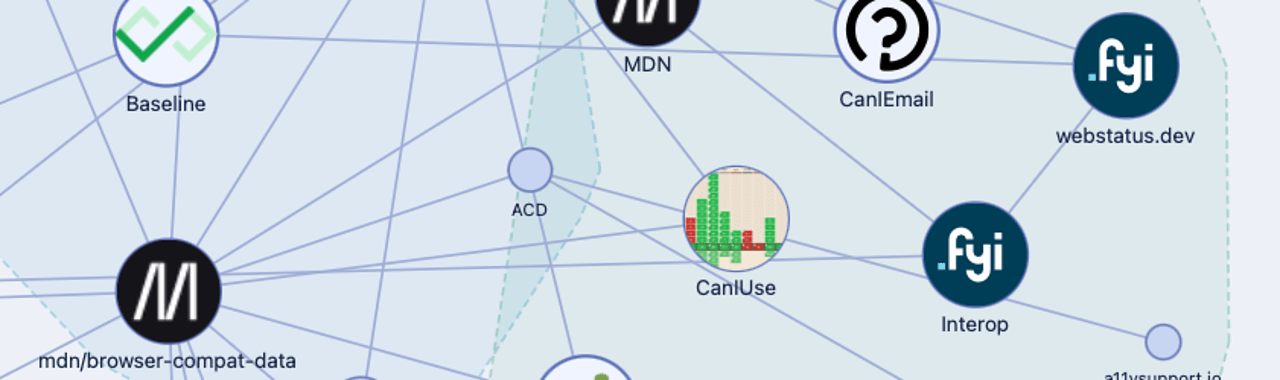
webcompat.dev — A map that helps us see and understand the connections between various web compatibility tools and resources. It has just over 30 listed right now — It’s a neat idea that could be fleshed out further as a visual discovery aid. Niklas Merz |
|
📬 Got a new email address? You can change your email here. Bored of us? Click here to stop getting this newsletter. Got a link for us? Reply and tell us. We can't include everything but we'll take a look. Published by Cooper Press Ltd. |