|

|

|
|
htmx 4.0: Server-Driven Interactivity From Your Markup — htmx lets you drive server requests (now using Carson Gross |
💡 New to htmx? The docs open with a working example in several lines of HTML, offering a good way to judge whether the approach appeals to you. |

Your Dashboard Was Fine at 10K Rows. Not at 10M — It rendered fine in dev. In production, the data grew and the query behind it didn't keep up. TimescaleDB extends Postgres so dashboards stay fast as data scales. Hypertables, compression, continuous aggregates. Get $1000 credit to start. Tiger Data (creators of TimescaleDB) sponsor |
|
How to Use CSS Lee Meyer |
|
Feature Detecting 'Undetectable' CSS Features with Bramus Van Damme |
|
|
📙 Articles, Opinions & Tutorials |
|
|
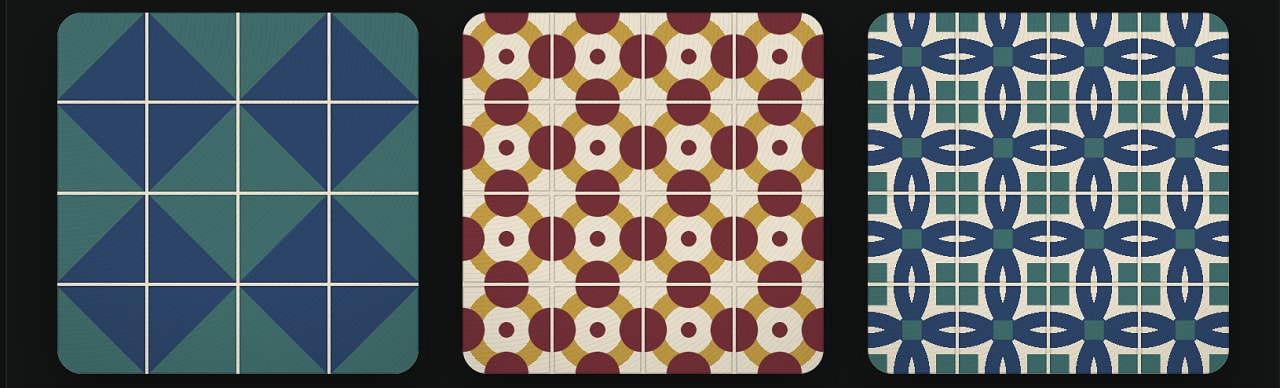
How to Build Tile Patterns with CSS Grid — Six Barcelona-inspired tile motifs built from gradients and Carmen Ansio |
|
Fine, I’ll Build My Own Text Editor! — Three approaches to building a text editor in the browser, with interactive demos, quickly comparing David Bushell |
|
Know React? You're Ready to Ship a Mobile App — Your React skills already ship mobile apps. Expo does the builds, store submission, and updates. No Xcode. Expo sponsor |
|
Enhanced Spell Checking on the Web — Sites could add their own jargon to the browser's spellchecker using the newly proposed Spell Check Custom Dictionary API. Brian also explains why spellcheck flags different words in different browsers on the same machine. Brian Kardell (Igalia) |
|
The Browser's New Email Verification API — A look at a WICG proposal to get rid of the 'go and check your inbox' headache with the browser and email provider using a token the server verifies on submit. Chrome origin trial and Gmail only for now. Phil Nash |
|
The Case for Tri-State Dark Mode Toggles — A rebuttal to Lea Verou's "two states are enough" piece we linked in #754.
|
|
Controlling When CSS Custom Properties Are Computed — "When and how CSS custom property values are calculated might not be what you expect"
|
|
Native HTML and CSS Features That Replaced JavaScript
|
|
Faster Browser Releases Change Your RUM Population
|
|
🧰 Tools, Code & Resources |
|
|
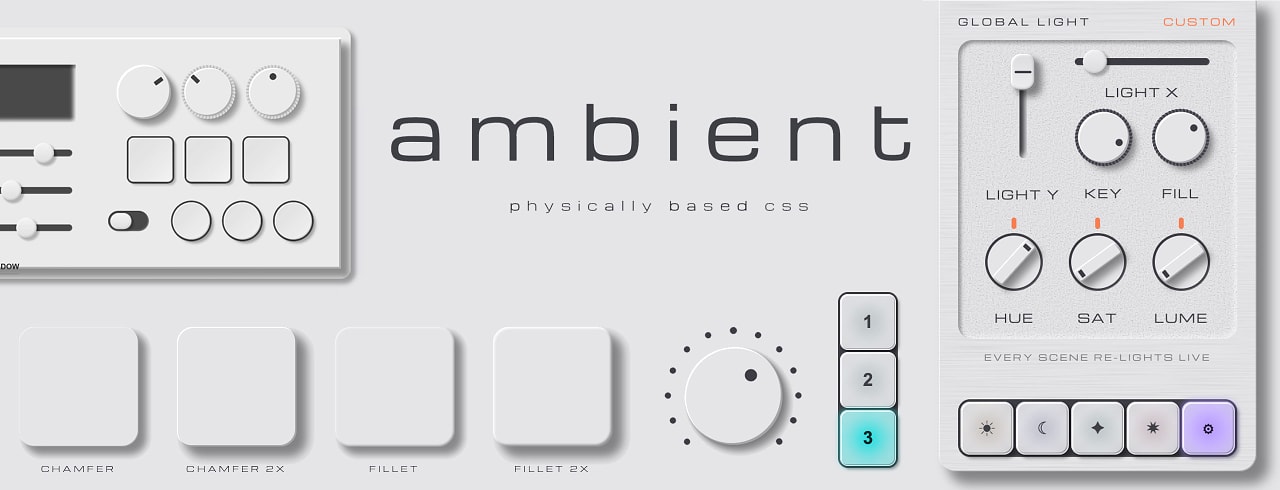
Ambient CSS: A Physics-Based Lighting System for CSS — Pitched as "Blender meets CSS" (its look is actually grounded on Blender renders), this lets you declare a light direction and other parameters with shadows, gradients, bevels, and more following automatically. Docs. Ramakrishnan Veeraragavan |
|
📊 Speedlify2: Continuously Measure Website Performance — From the creator of Eleventy, a free, self-hostable way to continuously measure Lighthouse scores, Core Web Vitals and Axe accessibility across sites, running on GitHub Actions and Pages. Zach Leatherman |
|
Build Forms That Fit Your Frontend—and Any Backend — Create custom themes for your form UI or use style adapters for Bootstrap, MUI, and Shadcn/UI. Dedicated npm packages for React, Angular, and Vue. SurveyJS sponsor |
|
Quicklink: Faster Subsequent Page-Loads by Prefetching Visible Links — During browser idle time, this prefetches pages linked in the current viewport, making subsequent navigations faster. Google Chrome Labs |
|
Particle Charts: Render Charts as Clouds of Particles — I'm not quite sure why this exists, but it's an interesting visual approach that you need to see to believe. It's very easy to get started with, too. Blake Williford |
|
Cropper.js 2.2: An Image Cropping Control — Now over ten years old but still seeing active development. There's a playground where you can give it a spin. GitHub repo. Chen Fengyuan |
|
🕰️ A Trip Down Memory Lane |
|
|
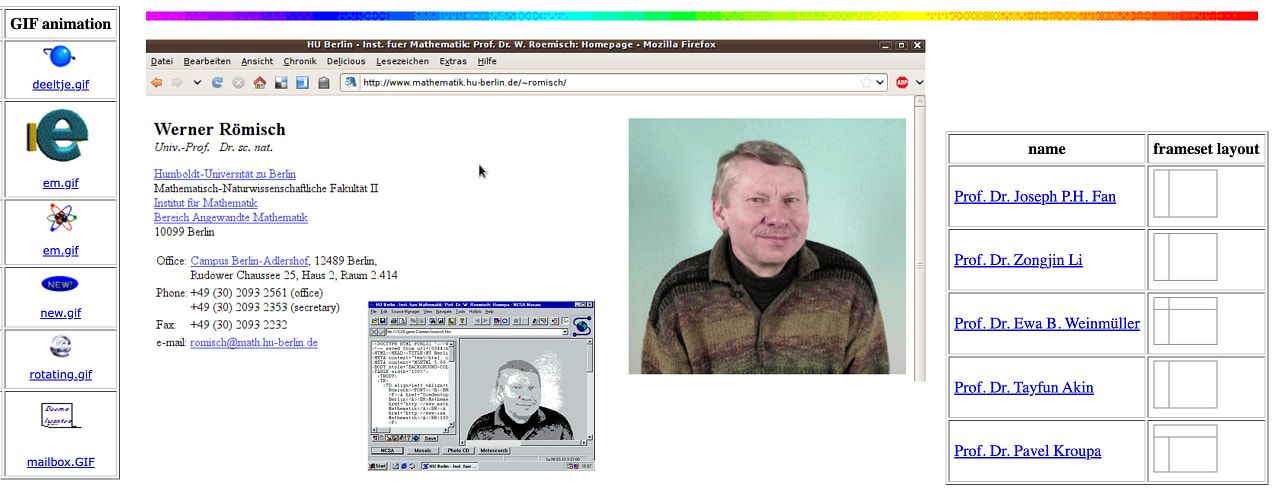
In Olia Lialina's 2010 essay, Prof. Dr. Style: Top 10 Web Design Styles of 1993, you can take a trip back to the earliest days when people were barely beginning to consider 'web design' a thing, having few features at their disposal to add any flair. The author touches on features that gradually appeared over the following years, like animated GIFs, tables, and even background colors (that could be specified by the page author, not just the end viewer). ⭐ If you like stuff like this and want to branch out a bit further than 1993, the Web Design Museum is dedicated to preserving screenshots of the Web over its first couple of decades. |
|
📬 Got a new email address? You can change your email here. Bored of us? Click here to stop getting this newsletter. Got a link for us? Reply and tell us. We can't include everything but we'll take a look. Published by Cooper Press Ltd. |